

“It is time for the promulgation of universal peace — a peace based on righteousness and justice... Now is the dawn of universal peace, and the first streaks of its light are beginning to appear.”
–Bahá’u’lláh
One God, One Human Family, One Unfolding Religion
Image Credit: Freepik
Bahá’ís of Woodbury, MN
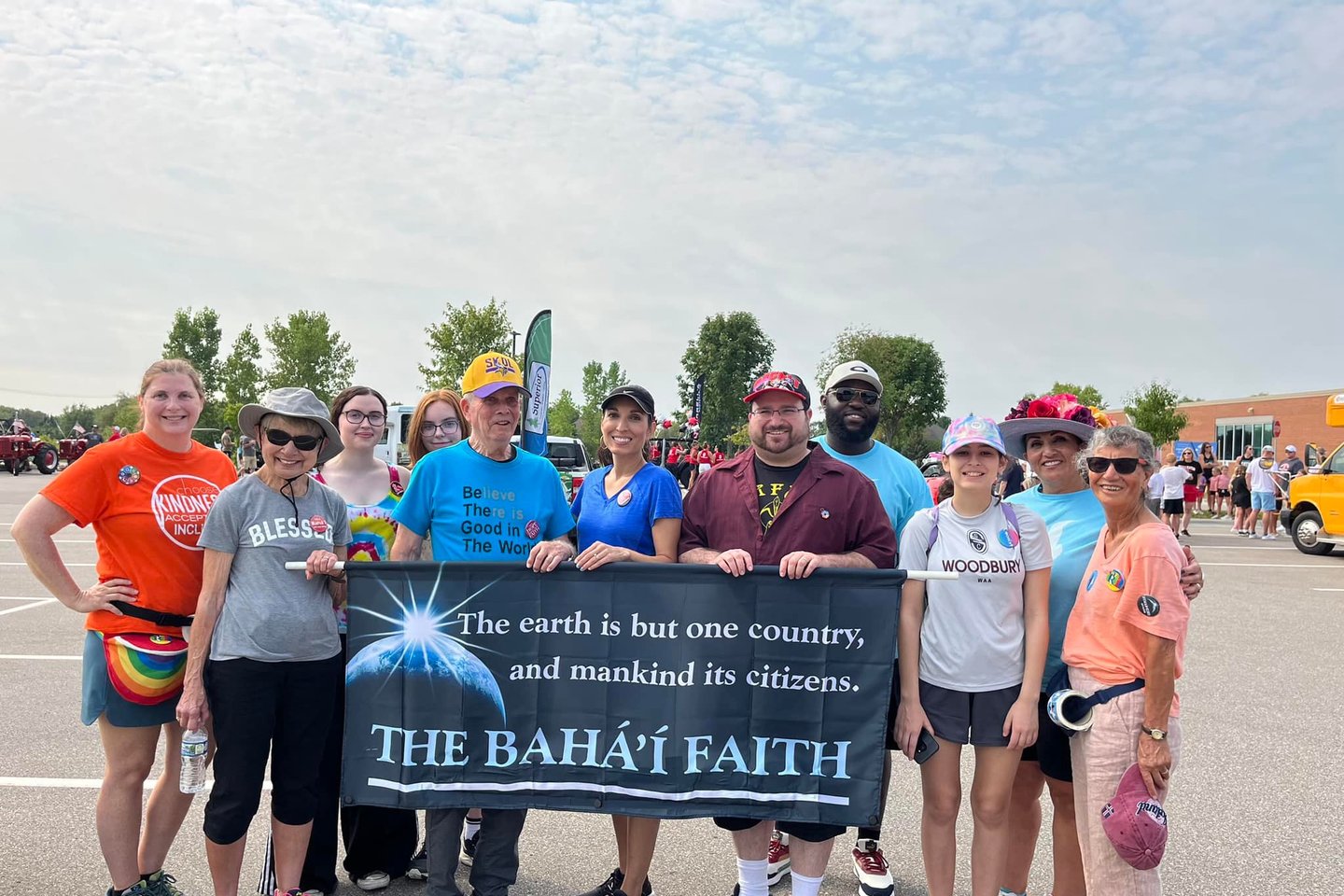
The spiritual teachings of the Bahá’í Faith inspire us to form deep and diverse relationships and build communities that nurture the well-being of all.
Some of the Woodbury Bahá‘ís taking part in the Woodbury Days Parade
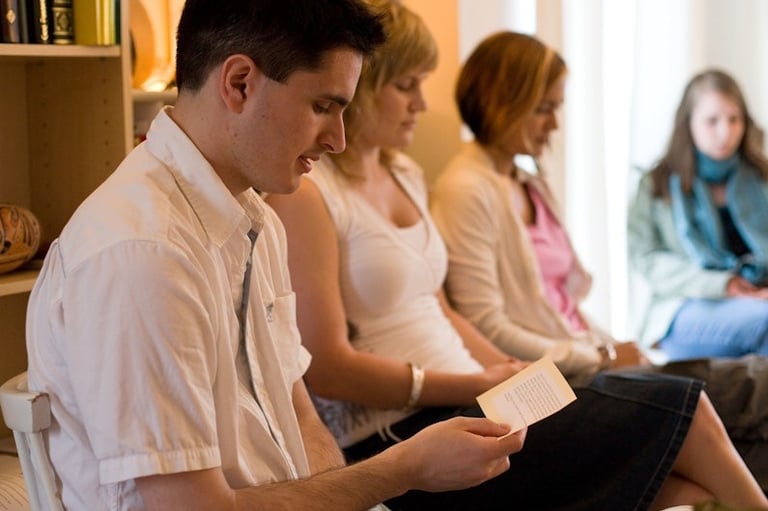
A GLOBAL COMMUNITY BUILT ON LOCAL CONNECTIONS
Most Bahá’í community activities—prayer gatherings, study groups, activities for children and teens—are open to all and take place in homes and community centers across the United States. In neighborhoods throughout Woodbury, Cottage Grove, Lake Elmo, Stillwater and greater Washington County, Bahá’ís and their friends are engaged in a community building process that cultivates love and translates it into action.
Bahá’ís are committed to reshaping society around principles of oneness – such as love, inclusivity and reciprocity. We hope to join hands with the countless like-minded individuals working for these same goals, and invite everyone to take a look at our approach.
Simple, profound, and revolutionary,
THIS COMMUNITY BUILDING PROCESS:
links personal growth with social transformation
rekindles the soul’s connection to its Creator
fosters friendship and intimacy beyond barriers of race and class
weakens prejudice
inspires neighbors to think about each other’s needs and earnestly search for solutions to shared problems
Prayer gatherings bring friends, family, and neighbors together in a spirit of worship. Drawing strength from the cultural character of each community, they inspire meaningful connections in an informal setting.
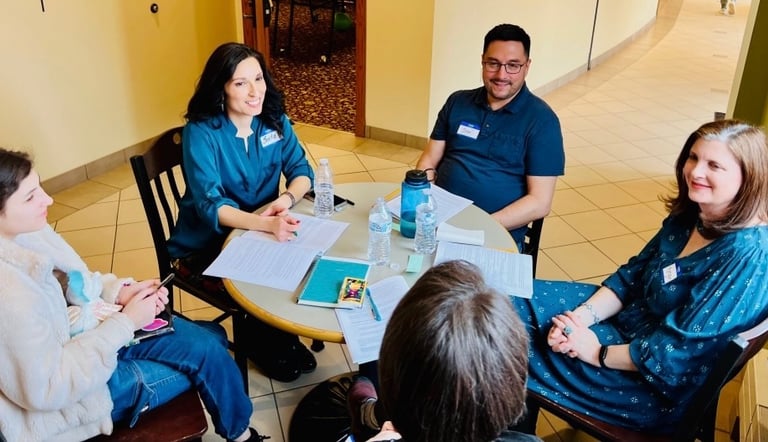
Study circles are for adults and older teens. They connect study of Báhá’í Sacred Texts to acts of service. Topics include: the spiritual nature of life, the basic features and history of the Báhá’í Faith, how to build unified communities, and how to teach children and mentor youth. In their study circles, neighbors share insights with one another and design service projects relevant to their communities.
BASIC TEACHINGS
Bahá’u’lláh’s teachings offer hope to a troubled world. He identified the spiritual principles on which humanity may, with divine assistance, establish lasting peace:
• The oneness of humanity
• Independent investigation of truth
• Elimination of prejudice
• Racial and social justice
• The nobility of each human being
• Equality of women and men
• Harmony between science and religion
• Universal education
• Spiritually guided solutions to economic inequality
• Justice and equity as foundations for world peace
“A new life is, in this age, stirring within all the peoples of the earth.”
— BAHA’U’LLAH
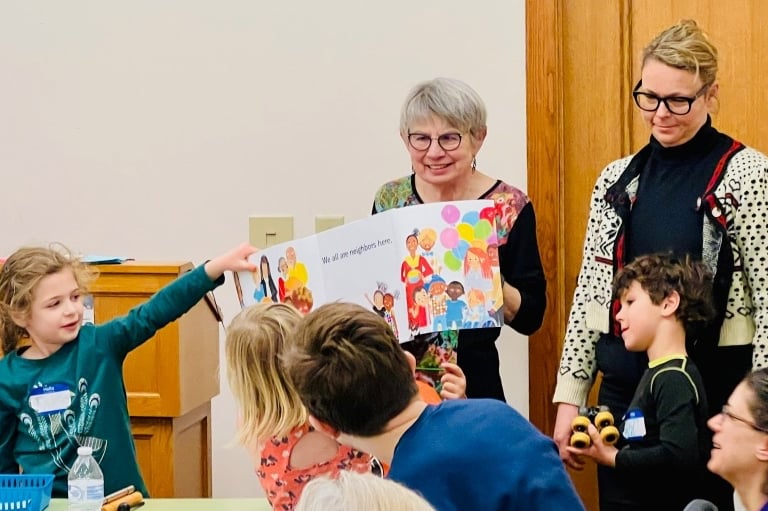
Classes for children allow a community’s youngest members to practice their God-given qualities, such as kindness, generosity, patience and compassion. Parents, teens and young adults teach these classes and create an environment where children feel they belong to the community and share in its purpose.
Groups for teens and pre-teens tap into young people’s acute sense of justice, growing awareness and increased interest in profound questions. Through storytelling, discussion, recreation, arts and service projects, participants form healthy and productive patterns of behavior. They build discernment and decision-making skills, and learn to address the needs of their communities.
We invite you TO DO THIS VITAL WORK WITH US IN YOUR NEIGHBORHOOD.
Join us in forging a new model of community life where spiritual conversation and service to others go hand-in-hand. Each of our core community building activities aims to foster inner transformation and create wider circles of inclusion. Together, neighbors cultivate a sense of collective ownership for the spiritual, social and economic well-being of their community.
Bahá’ís welcome any degree of association that a person would like to maintain, great or small.
How to get in touch:
Phone
By calling 1-800-UNITE Mon-Fri, 8:30am - 5:30pm Central
Woodbury & surrounding communities: info@woodburybahai.org
All other areas: bahai-info@bahai.us
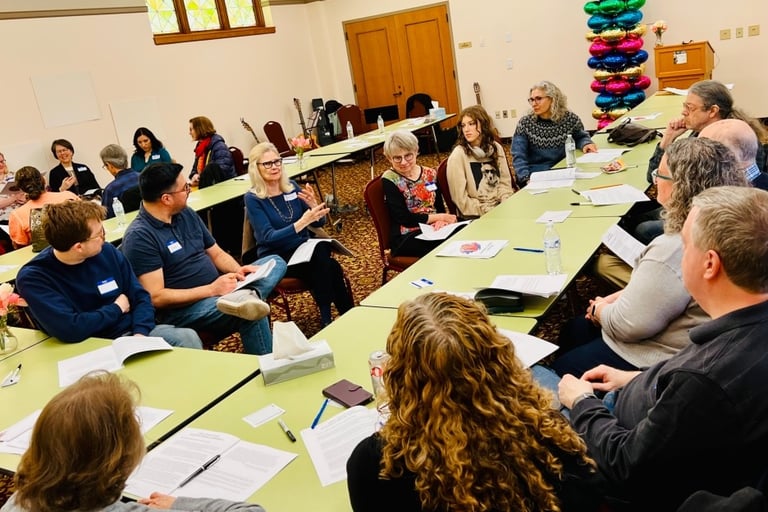
Some Washington County Bahá‘ís and friends consult during a conference held to promote the building of vibrant, spiritually healthy communities
woodburybahai.org is the official website for the Bahá‘ís of Woodbury, Minnesota.
It was created and is maintained by the Spiritual Assembly of the Bahá‘ís of Woodbury, the nine-member elected governing body of the Woodbury Bahá‘í community.
Links to other Bahá’í Websites & Pages:
U.S. Bahá’í Community: bahai.us
Worldwide Bahá’í Community: bahai.org
Authoritative Bahá’í writings: Bahá’í Reference Library
Video Series on Minneapolis Bahá’ís social action